Much more than aesthetics
A harmonious smile is not just pleasant to look at. Well-aligned teeth and a correct bite make chewing and breathing more effective, simplify daily hygiene, reducing the risk of decay and gum problems, and distribute forces correctly across teeth and joints. An untreated malocclusion can also show up as symptoms that are often overlooked, such as headaches, earache or tension in the jaw. To identify the most suitable treatment we assess the teeth, the lower and upper jaw and the joints, with the help of X-rays, models and photographs. Orthodontics works on all of this, for adults and children alike.
Orthodontics for children
In growing patients, malocclusions can be intercepted early, guiding the development of bones and teeth with simple, well-tolerated treatments. An orthodontic assessment in the first school years identifies the right time to act — which often also means shorter, less invasive treatment in the teenage years.
Orthodontics for adults
There is no age beyond which it is too late: teeth can be moved at any age, provided teeth and gums are healthy. More and more adults choose to align their smile, often as part of wider treatment plans — prosthetic, periodontal or implant-related — where orthodontics creates the conditions for a better, more stable result.
Fixed braces, removable appliances and invisible aligners
- Fixed braces: the most versatile solution, able to control every tooth movement with precision, today also available in discreet versions with almost invisible brackets and wires;
- Removable appliances: used mainly in children to guide growth and correct harmful habits, or as retainers at the end of fixed treatment, to maintain the result over time;
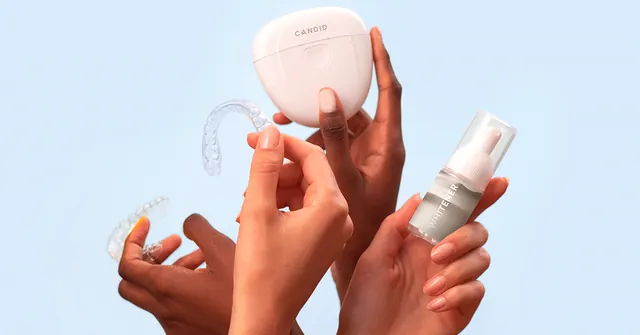
- Invisible aligners: transparent, removable trays, digitally planned, combining effectiveness and discretion in suitable cases.
Orthodontics at COBE Dental is led by Dr. Matteo Zanarini, specialist in Orthodontics, adjunct professor at the University of Bologna, holder of a second-level Master in Invisible Aligner Orthodontics and of a Master in Dental Sleep Medicine — valuable expertise when malocclusion intertwines with snoring and sleep-related breathing disorders.