The foundation of every healthy smile
A healthy mouth is built day by day, through careful home care and regular professional hygiene sessions at the practice. Prevention is the most effective treatment there is: plaque and tartar left in place can inflame the gums (gingivitis) and, over time, progress to periodontitis, with irreversible damage to the tissues that support the tooth. Catching them before that happens means simpler, less invasive and longer-lasting care.
That is why at COBE Dental hygiene and prevention are not an add-on service but the starting point of every treatment journey, for patients of every age, from 0 to 99.
What a professional hygiene session involves
Even the most diligent toothbrush cannot reach everywhere: over time bacterial plaque mineralises into tartar, which only professional instruments can remove. During the session our doctors in dental hygiene perform:
- removal of bacterial plaque and tartar above and below the gum line;
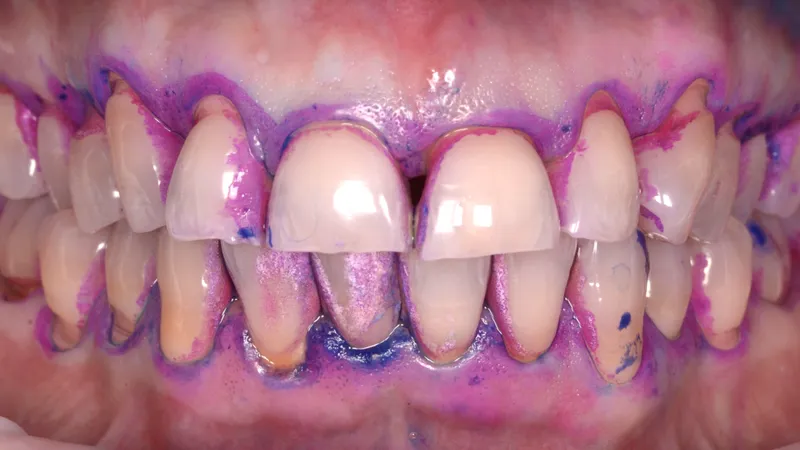
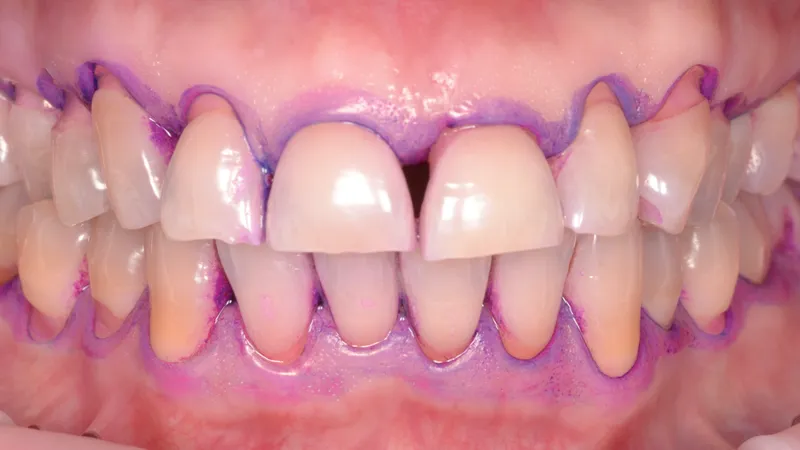
- polishing of the tooth surfaces with the airpolishing technique (the GBT, Guided Biofilm Therapy, protocol by EMS): a jet of water, air and ultra-fine powder that removes plaque and surface stains without touching the tooth with metal instruments, to slow down the build-up of new deposits;
- fluoride applications and desensitising treatments, where indicated;
- a check of your gum health, flagging any early sign of inflammation.
The session is also the moment when we review your brushing technique and your use of floss or interdental brushes, tailoring them to the shape of your mouth.
Prevention continues at home
The work done at the practice lasts only if it is maintained every day. We help you build a realistic, effective home routine: proper brushing twice a day, cleaning between the teeth, and attention to diet and sugar intake. Small habits that, added together, make the difference between treating and preventing.
How often should you have a professional cleaning
There is no one-size-fits-all interval. For many patients six months is ideal, but anyone with a history of periodontal disease, orthodontic appliances or implants may need more frequent recalls. At the end of each session we recommend the recall interval best suited to your situation.