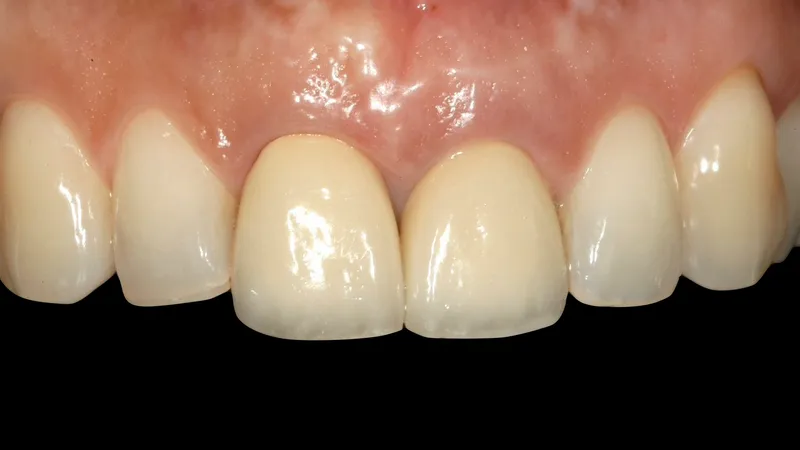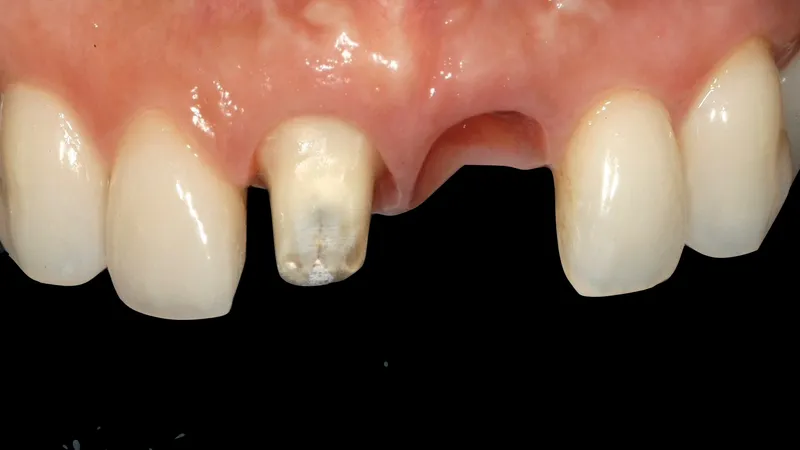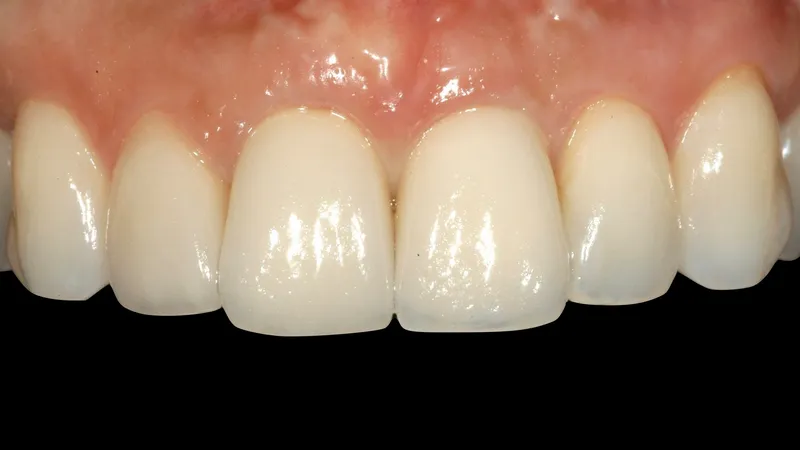
Definitive solutions, natural results
Implantology replaces one or more missing teeth with a result remarkably close, in both function and appearance, to natural teeth. An implant is a small screw in biocompatible titanium placed in the bone where the root used to be: once healing is complete, the prosthetic crown is fixed onto it. There are no age-related contraindications: it is preferable to wait until skeletal growth is complete (not before 18-20 years of age), but older patients in good general health can also safely opt for implants.
The advantages of implants
- they replace missing teeth without touching the healthy adjacent teeth, unlike a traditional bridge;
- they transmit chewing forces to the bone, helping preserve its volume;
- they restore stable, confident chewing, even in extensive rehabilitations;
- with proper maintenance, they are a very long-lasting solution.
Planning: design first, then surgery
Every implant case starts with careful study: clinical examination, periodontal assessment and three-dimensional CBCT imaging, which lets us know bone volumes and anatomical structures precisely before operating. Surgery comes only when the project is complete — position, angulation and the final prosthesis are defined before we even begin.
Techniques and materials
We use implants from reliable, well-documented manufacturers, with surfaces designed to promote osseointegration: the biological process by which bone bonds stably to titanium, typically requiring two to four months. Where conditions allow, we consider early-loading protocols; where bone is insufficient, bone regeneration techniques can often create the conditions for an implant.
Health around the implant
An implant lasts as long as the tissues around it stay healthy. That is why at COBE Dental implantology lives alongside periodontology — Dr. Diego Capri and the team follow every implant patient with a dedicated maintenance programme: regular professional hygiene and periodic checks to catch any sign of peri-implant inflammation at its onset.