Healthy gums, solid foundations
The health of your teeth goes hand in hand with the health of your gums. Periodontology deals with the tissues that support the teeth — gum, bone and periodontal ligament — and with the diseases that affect them. It is one of COBE Dental’s historic strengths: founding partner Dr. Diego Capri is a Diplomate of the American Board of Periodontology and has devoted his career to this discipline.
Gingivitis and periodontitis
Gingivitis is the reversible inflammation of the gum caused by plaque build-up: red, swollen gums that bleed when brushing. Left untreated, in susceptible patients, whether through genetic predisposition or smoking, it can evolve into periodontitis: inflammation extends deeper and progressively destroys the supporting bone. Periodontitis is insidious because it advances almost painlessly, and if left untreated it leads to tooth mobility and tooth loss.
Warning signs not to ignore
- bleeding gums, even occasionally;
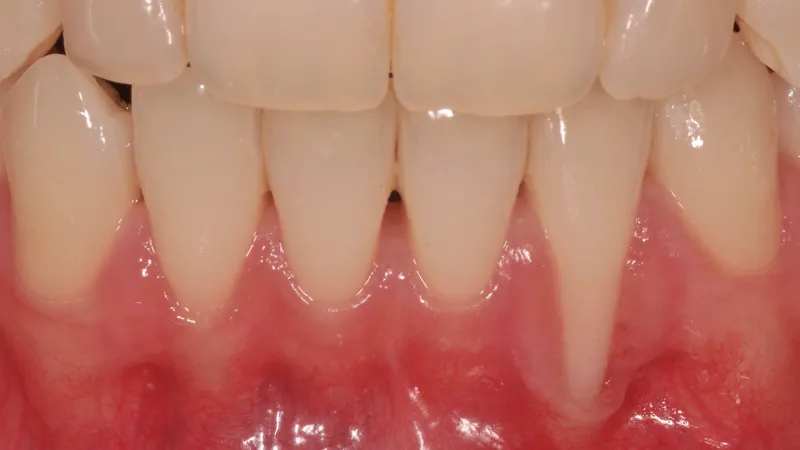
- receding gums, or teeth that look longer than before;
- persistent bad breath;
- teeth that move or shift position.
How we treat periodontal disease
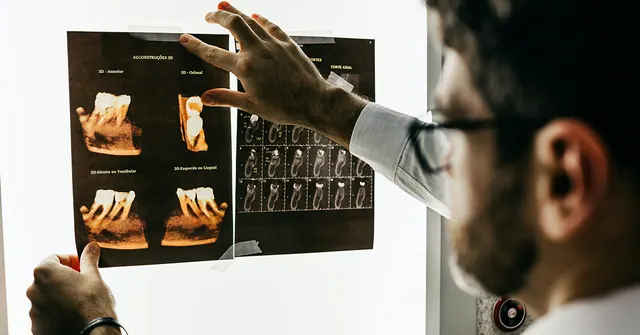
The journey starts with an accurate diagnosis: full periodontal charting and radiographic documentation. Initial therapy is non-surgical — professional removal of plaque and tartar above and below the gum line, combined with building an effective home-care routine. Advanced cases may also require surgical therapy, including resective and regenerative techniques and periodontal plastic surgery. The most important phase comes afterwards: supportive care, with regular recalls, is what keeps the result stable over the years.
A matter of general health
Research has documented significant links between periodontitis and systemic health: diabetes, cardiovascular disease, pregnancy outcomes. Treating gum inflammation lowers the body’s overall inflammatory burden and improves general health: caring for your gums means caring for much more than your smile.