
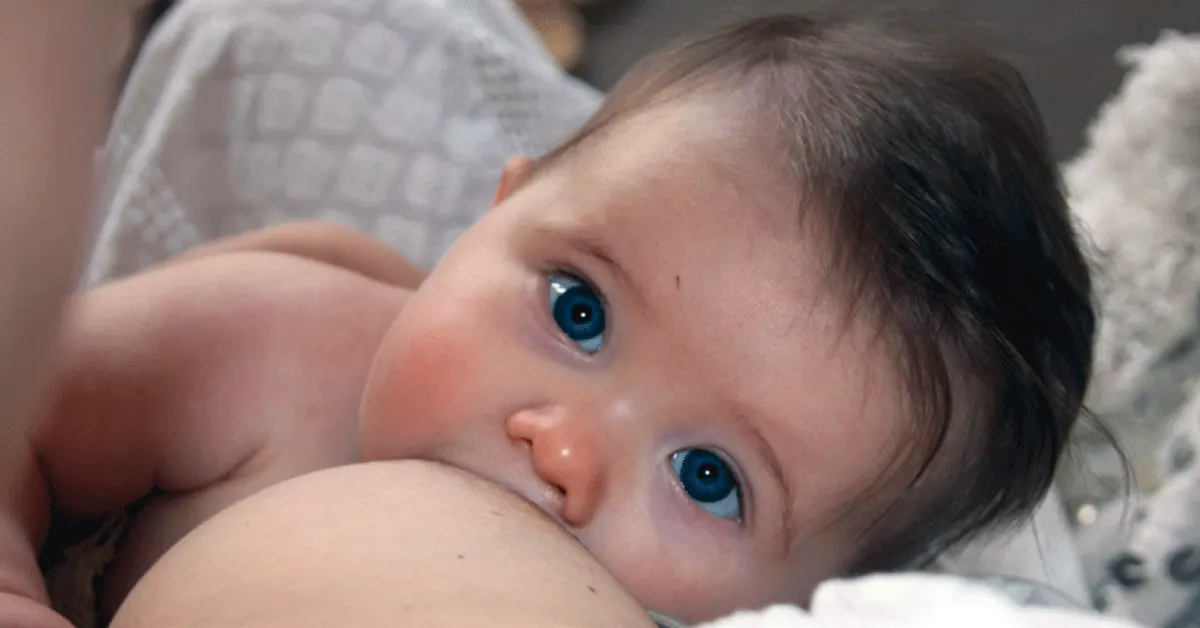
Breastfeeding is one of the first and most intimate decisions a new mother makes for her baby. It matters for the newborn, because it strengthens the immune system and reduces the risk of cot death and of developing allergies and childhood obesity, and it matters for the mother too, because it lowers the risk of breast and ovarian cancer.
Not every mum may know, however, that breastfeeding also affects the oral health of both mother and baby. Let’s see how.
Breastfeeding supports the correct development of the dental arches
Several recent studies, published in the journals Pediatrics and Journal of the American Dental Association, have shown that babies breastfed exclusively for the first 6 months of life have fewer problems with the alignment of the dental arches, such as open bite, crossbite or deep bite, than those breastfed for a shorter time or not at all.
This does not mean that a child who was exclusively breastfed will never need a brace. Other factors, such as genetics, dummy use or thumb sucking, can have negative effects on the development of the dental arches.
It reduces the risk of baby bottle tooth decay
Another advantage of breastfeeding is a lower risk of baby bottle tooth decay, caused by prolonged exposure of the baby teeth to the sugar contained in formula milk, fruit juices and other drinks given to the child. This problem is common in children who go to bed with a bottle.
Breastfed babies can still get tooth decay
Breast milk, however, just like formula, contains sugar. That is why it is very important to look after children’s oral hygiene from their very first days. At first, it is enough to clean the gums with a damp piece of sterile gauze.
When the first teeth come through, it is important to brush them at least twice a day, using a very small amount of fluoride toothpaste (about the size of a grain of rice).
Mum, don’t neglect yourself!
Poor oral hygiene can cause gum problems and tooth decay. Preventing tooth decay is especially important for a mother, because even simply sharing a spoon can transfer bacteria into the baby’s mouth. It is important to stick carefully to the basic rules of hygiene: brush your teeth at least twice a day, floss once a day and have regular check-ups with your dentist.
New mothers also often suffer from bruxism. The tiredness built up during pregnancy and post-natal stress can create tension that mothers release by grinding their teeth.
Finally, breastfeeding mothers need to pay close attention to hydration. A dry mouth, in fact, increases the risk of developing gingivitis and tooth decay.