
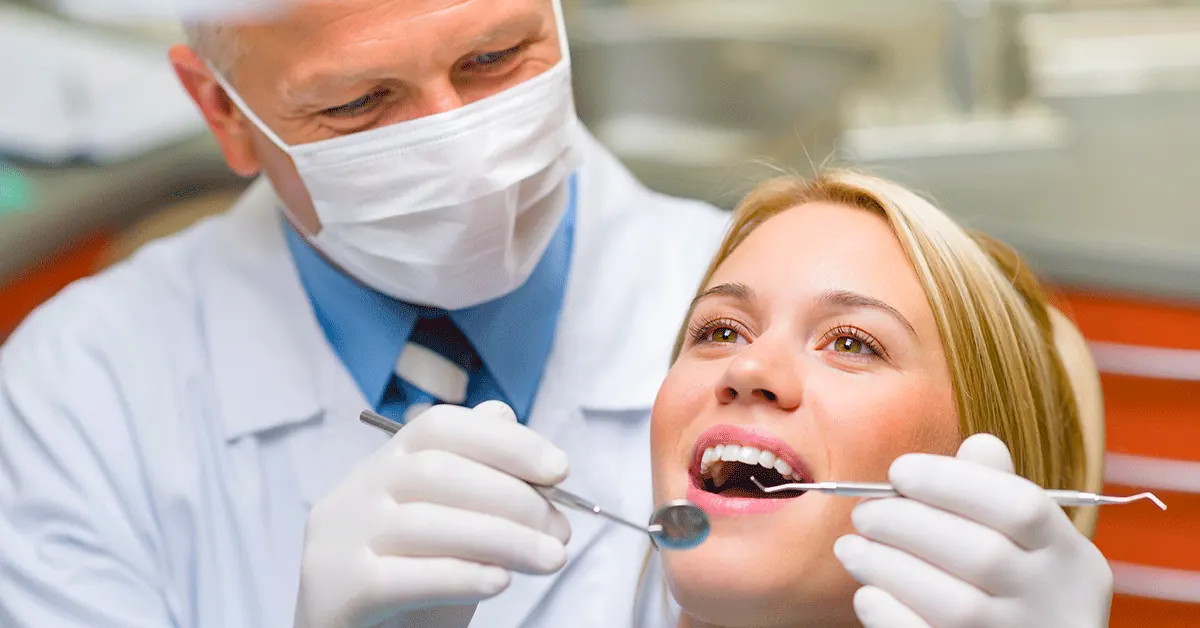
According to a recent survey by Censis, more than 17 million Italians do not go for annual dental check-ups because they are afraid. There are many fears, but the main one is the cost of any treatment. But how much can it cost you not to go to the dentist?
Censis interviewed millions of Italians who do not have regular dental check-ups to find out why. Of those interviewed, 90% said they were afraid of having to face high costs; of these, 88% said they were also afraid of pain; and finally some were afraid of mistakes by the dentist that could permanently damage the appearance of their mouth.
The result is that more than 17 million Italians only go to the dentist when toothache becomes unbearable, often compromising the overall health of their mouth and their chances of keeping their smile for a long time, perhaps even into old age.
Tartar that cannot be removed with a toothbrush and dental floss, inflamed and bleeding gums, and bad breath are signs that something is wrong and could be the first symptoms of periodontitis. This chronic disease can not only lead to tooth loss but also trigger conditions such as diabetes, because certain bacteria migrate from the gum pocket into the bloodstream.
A periodontal examination can provide useful information for the early diagnosis of pre-diabetic conditions and can raise the suspicion of diabetes that has not yet been diagnosed.
Periodontitis is sometimes also associated with other serious conditions, such as cardiovascular disease. Recent studies have also shown a correlation between chronic periodontitis and osteoporosis, due to a genetic problem with absorbing vitamin D. In these cases there is no cause-and-effect relationship, but a dentist who diagnoses periodontitis may decide to advise the patient to have other specialist tests.
In a reputable dental practice, important information about patients’ health is gathered during the medical history interview, blood pressure is measured, valuable advice is given on healthier lifestyles (diet, sleep and physical activity), and patients are encouraged to stop smoking.
Regular dental check-ups and at least one professional dental cleaning a year, together with proper daily oral hygiene, are small but essential steps to keep enjoying chewing and smiling with your own teeth, and your general wellbeing, for as long as possible. Burying your head in the sand out of fear, on the other hand, could cost your health dearly.