Good oral hygiene in older people not only helps preserve natural teeth for longer but also protects general health, because it prevents systemic problems that give rise to sources of acute and chronic infection.
Good oral hygiene underpins the wellbeing of the whole body, even in very elderly people. A 2008 study, for example, showed that 1 in 10 cases of pneumonia among elderly care home residents could be prevented by improving oral hygiene.
In very elderly people, however, motor and cognitive problems often come into play and can seriously interfere with good daily oral hygiene.
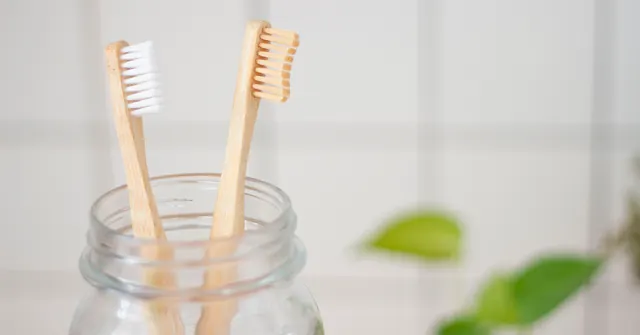
A study recently published in Acta Odontologica (May 2018) compared the effectiveness of electric and manual toothbrushes in 100 elderly care home residents. The aim was to find out whether patients would be more motivated to look after their oral hygiene, including in the long term, if they could choose the type of toothbrush they preferred.
The average age of the patients in the study was 86, and more than 50% of them had moderate to severe cognitive impairment. Of the 100 participants, 46 chose to use an electric toothbrush.
After 1 year, the amount of bacterial plaque in these patients' mouths, used as an index of hygiene, had fallen significantly, with no notable differences between patients using electric toothbrushes and those using manual ones.
The study suggests that, in this particular group of patients, it is essential to devise strategies that motivate older people to look after their oral hygiene regularly, whatever type of toothbrush they use.
In the general patient population, the data currently available tend to favour oscillating-rotating electric toothbrushes over manual ones (Van der Weijden FA, Slot DE. J Clin Periodontol. 2015).
In light of the above, it seems reasonable to conclude that elderly patients living in care settings should be offered both manual and electric toothbrushes, so that they can choose for themselves, according to their preferences and their cognitive and manual abilities, which tool to rely on for their oral hygiene.
Only by brushing regularly is it possible to ensure a significant improvement in oral health and general wellbeing, in older people too.