
What effects do stress and anxiety have on the health of your teeth and mouth? How do they show up, and what can you do to limit the damage to your smile?
The Covid-19 pandemic may soon be just a bad memory thanks to the mass vaccination campaign, but that does not mean it will leave no mark. One of the most worrying legacies of this experience is certainly the widespread anxiety that has affected children, young people and adults alike, driven by the fear of falling ill, of losing a loved one, or by the climate of deep uncertainty in which we are still living. Anxiety, added to the stress we normally build up for all sorts of reasons such as work or study, can harm our general health, and that includes the mouth and teeth. Let’s look at the main oral problems linked to anxiety and stress.
Bruxism (teeth grinding)
One of the most common problems in anxious people is bruxism. People who suffer from it grind or clench their teeth involuntarily during sleep, wearing them down and straining the jaw. An effective way to reduce the damage caused by this disorder is to wear a night guard (“bite”) while sleeping. If you suffer from it, talk to your dentist, who will take an impression of your dental arches and have one made to measure for you.
Nail biting or chewing very hard foods to release tension can also cause fractures or damage to the teeth. Bitter-tasting nail varnishes are available to help break this bad habit.
Stomatitis and mouth ulcers
Stress can also lead to drinking too much alcohol or sugary fizzy drinks and eating too many packaged foods (crisps, biscuits and so on), increasing the risk of stomatitis or mouth ulcers, very uncomfortable sores of the oral mucosa. To help prevent them, it is important to follow a more balanced diet, eating as many fresh vegetables and as much fresh fruit as possible, and to drink plenty of water. Mouth ulcers normally heal on their own within a couple of weeks. To relieve the pain and burning caused by contact with food, you can use hyaluronic acid gels applied before meals, which form a kind of protective film. For deeper lesions, the doctor may prescribe topical applications of solutions containing cortisone or retinoic acid. As always, it is essential to look after your oral hygiene, brushing your teeth with a soft toothbrush several times a day and rinsing with a chlorhexidine mouthwash.
Dry mouth
Another symptom linked to anxiety is dry mouth, caused by reduced saliva production. It happens to almost everyone when we feel tense, and saliva flow usually returns to normal once we calm down. Things are different if the dry feeling is constant. The causes may be linked to medication, such as antidepressants or nasal decongestant sprays used for colds. Restoring normal saliva flow is essential: saliva has a disinfectant action and works as a natural cleanser for the gums and the lining of the mouth.
A few tips to encourage saliva flow: chew sugar-free gum or suck a sugar-free sweet, cut down on tea, coffee and alcohol, take frequent sips of water or hold an ice cube in your mouth.
Poor oral hygiene
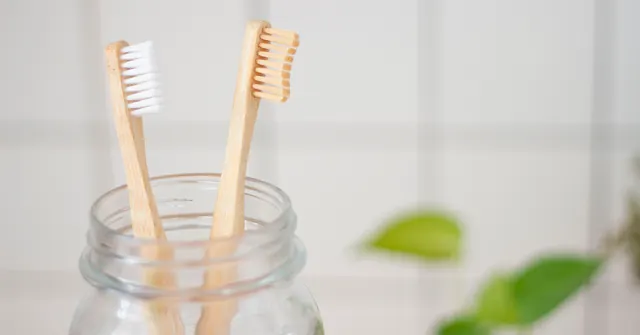
Anxiety and stress very often lead people to neglect their appearance and personal care. This tendency can also affect oral hygiene, exposing them to tooth decay and gum disease. So it is important never to forget the golden rules for keeping your teeth and mouth healthy:
– Brush your teeth several times a day and always after meals; after particularly acidic foods, wait a few minutes, but never more than 30.
– Use dental floss or an interdental brush at least once a day, twice a day if possible.
– Include fibre-rich fruit and vegetables in your diet and drink plenty of water.
Finally, let’s never forget that smiling takes just 12 muscles while frowning takes as many as 72, and a lovely smile always has a positive effect on stress!
Credits: Photo by Jeshoots.com on Unsplash