Oral hygiene should start from the very earliest age: even before the first teeth come through, it is a good idea to wipe the gums after each feed with gauze or a soft damp cloth, to prevent “baby bottle tooth decay”.
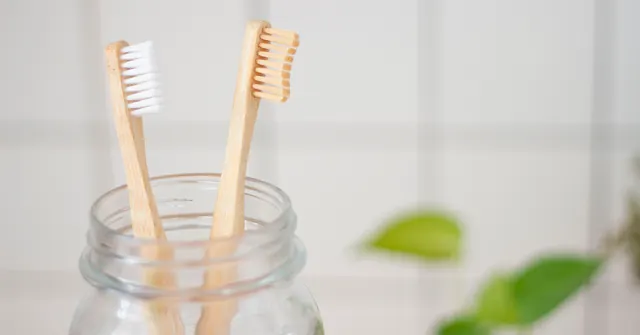
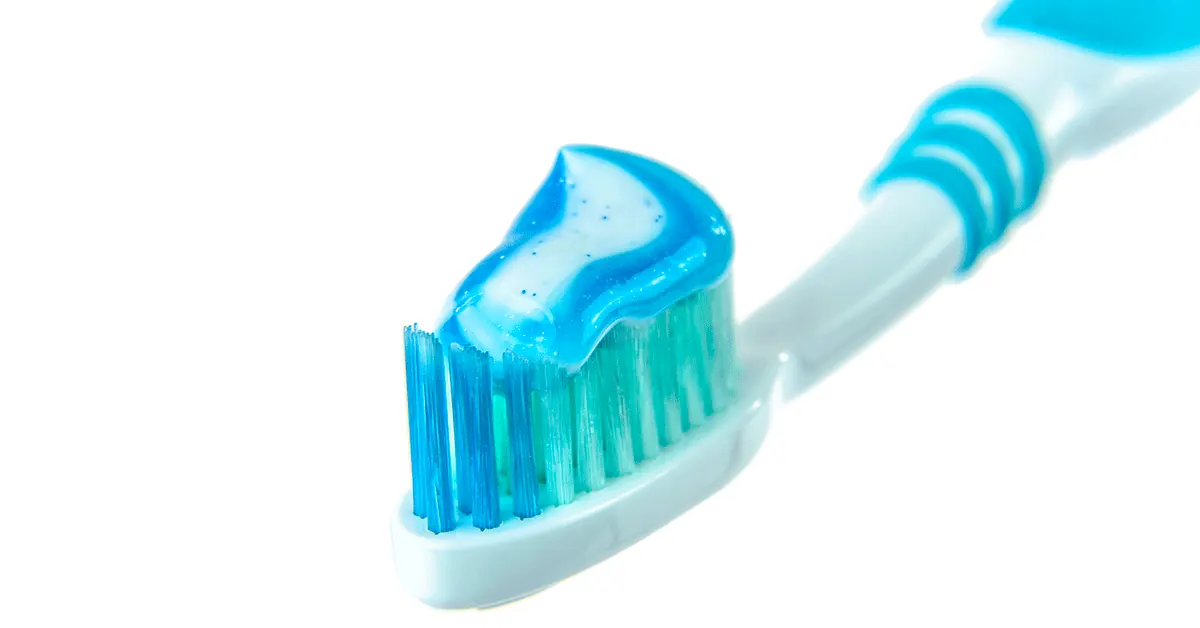
Brushing with a very soft toothbrush should begin as soon as the first tooth appears, although at first it is best to use only a tiny amount of fluoride, at least until you are sure your child has learnt not to swallow it.
At first, parents should do the brushing, paying particular attention to the molars, which are harder to reach. Children should get used to the toothbrush gradually and can start brushing on their own at around four years old, but under adult supervision. We advise parents to always give the final brush and to check that the teeth have been cleaned properly.
As they grow, children should also learn to use dental floss and to brush their teeth after every meal, snacks included, to prevent tooth decay. A varied diet, rich in fruit, vegetables and water and low in refined sugars (sugary drinks, sweets and biscuits), will support the health of their mouth and of their whole body.
It is essential to look after baby teeth and keep them healthy until they fall out; that is why we recommend taking your child for a dental check-up from as early as 2–3 years of age.
Some types of tooth decay cannot be seen with the naked eye and, if left untreated, can also damage the permanent teeth. We therefore recommend sealing the back teeth (molars and premolars), which are harder to clean, to prevent decay and stop bacterial plaque from building up.
To find out when your child's teeth will come through, read also: Baby teeth: when they come in and when they fall out.