
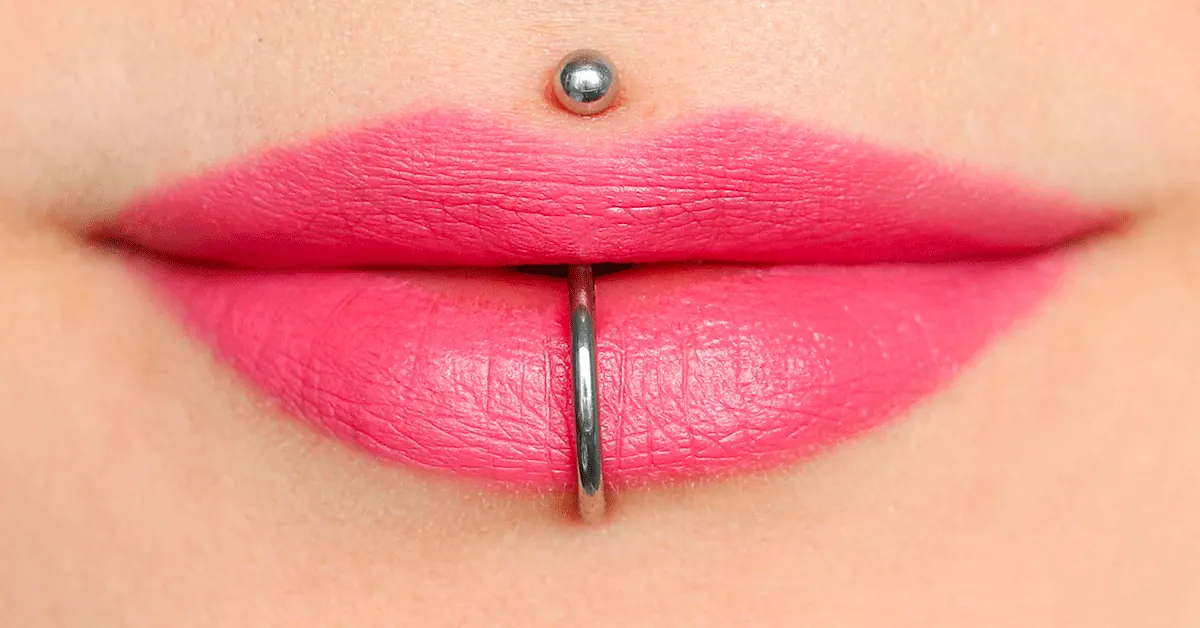
Piercing, like tattooing, is a very popular form of self-expression, especially among young people. Oral or perioral piercings are among the most requested, but they can have significant consequences for health, and not only for the mouth.
The mouth is home to millions of bacteria, and a piercing can cause infections, some of them very serious, such as hepatitis and endocarditis, as well as allergic reactions and swelling.
The tongue and mouth can swell abnormally, blocking the airway and causing the person to choke. A piercing can also damage the teeth, chipping or scratching them.
A piercing in the tongue, lips, cheeks or uvula can interfere with speaking, chewing or swallowing, and it can also cause:
- Infection, pain and swelling. The mouth is a moist environment where bacteria thrive, and therefore an ideal place for infections to develop. If not treated promptly, an infection can have serious consequences. Swelling of the tongue and mucous membranes can also cause the person to choke.
- Damage to the gums, teeth and fillings. Fiddling with or biting the piercing can injure the gums and seriously damage the teeth, chipping or scratching them or making them more sensitive. A piercing can also damage fillings.
- Metal hypersensitivity. Allergic reactions can occur where the piercing has been placed.
- Nerve damage. After a piercing, the tongue may feel numb because of damage to nerve bundles; this is usually temporary but sometimes permanent. Damaged nerves can also alter the sense of taste or the movement of the mouth. Damage to blood vessels can cause severe bleeding.
- Excessive salivation. A tongue piercing can increase saliva production.
- Difficulties with dental care. A piercing can interfere with X-rays and make treatment more difficult.
If you already have oral piercings:
- Contact your dentist or GP immediately at the first sign of infection: swelling, pain, fever, chills or redness around the piercing.
- Keep the area around the piercing very clean by using a mouthwash after every meal.
- Avoid playing with the piercing between your teeth. Always chew slowly.
- Check the fastening of the piercing regularly (with clean hands), so that you do not swallow it or choke on it if it comes loose.
- When you play sport, take the piercing out and protect your mouth with a mouthguard.
- See your dentist regularly and remember to brush your teeth at least twice a day and use dental floss every day.
If you have any problems, remove the piercing straight away. A piercing should not be a whim but a responsible choice that requires constant attention: talk to your dentist about it.