
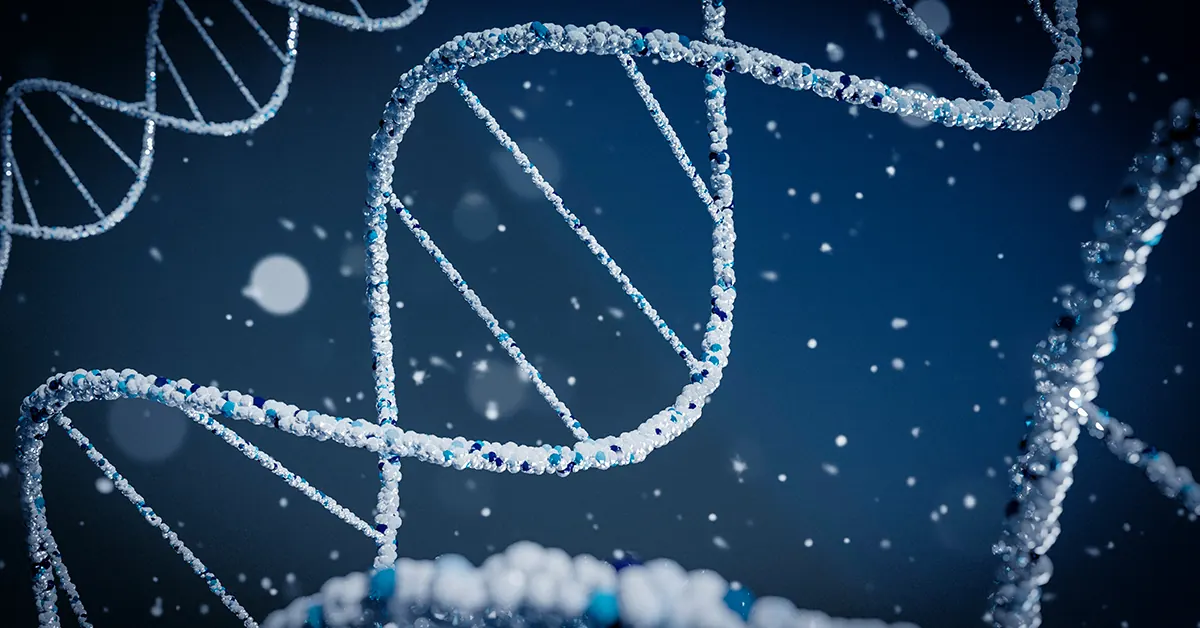
Precision medicine was born in oncology and, thanks to its predictive power, it has saved lives. Today it is also being applied to dentistry, through diagnostic tests such as genetic and molecular testing that, from a simple saliva sample, make it possible to predict the onset of some diseases of the mouth and to apply highly personalised treatments with a predictable chance of success.
Dentistry has always been a “precision” discipline: one patient’s treatment is rarely the same as another’s, since every mouth has unique characteristics. Thanks to recent advances in genomics and artificial intelligence, dental medicine will become ever more precise, and we will see a strong push in the field of prevention. This revolution, however, is only taking its first steps, and it will still be some time before the clinical use of genetic and molecular analysis becomes an everyday reality in dental practices.
This approach will make it possible to develop highly personalised treatments, based on the patient’s genetic, biological and socio-environmental characteristics, and also to predict the onset of disease, thanks to the use of saliva in diagnostics: analysing it can reveal both dental and systemic conditions. It is a modern, multifaceted, data-driven approach to oral health that uses individual characteristics to stratify similar patients into phenotypic groups.
One example of its application concerns early childhood caries, the most common chronic disease of childhood, whose onset is linked both to environmental factors, such as fluoride intake and eating habits, and to individual ones, such as tooth anatomy, enamel quality, saliva composition, the composition of the microbiome and immune defences. Genetics is currently thought to explain around 40–70% of the onset of the disease.
Genomics will also play an increasingly important role in the prevention and treatment of periodontitis, a polymicrobial infection (caused by several bacteria) whose clinical variability depends on variations in genetic factors. Some people are, in fact, more predisposed than others to developing this disease.
Another very important area is oral cancer. These tumours account for almost half of all cancers affecting the head and neck. Tests based on detecting biomarkers make it possible to diagnose these carcinomas at an early stage and stop them from developing. Once the nature of the tumour has been established, the oncologist or oral pathologist can determine the personalised treatment best suited to the patient’s genetic characteristics, with a greater chance that the treatment will succeed.
Finally, precision dentistry can also be applied in orthodontics, since the aetiology of malocclusion depends heavily on genetic as well as environmental causes.
As we have seen, precision medicine is a paradigm shift that calls for a new way of thinking about diagnostic categories. This approach uses data on patients’ risk factors (including, but not limited to, genetic, environmental and behavioural health factors), rather than expert opinion or clinical presentation alone, to redefine the traditional categories of health and disease. The ultimate goal is to give patients accurate and timely diagnoses and to improve treatment and outcomes, ushering in a new era of medicine in which interventions will be increasingly tailored to each individual patient.
Sources:
Precision dentistry in early childhood: the central role of genomics
Kimon Divaris, DDS, PhD
Odontoiatria di precisione a che punto siamo?
Dental Journal
Advances in precision oral health
James D. Beck, Kamaira Philips, Kevin Moss, Kimon Divaris, Thiago Morelli, Steven Offenbacher
Credits: Photo by Braňo on Unsplash