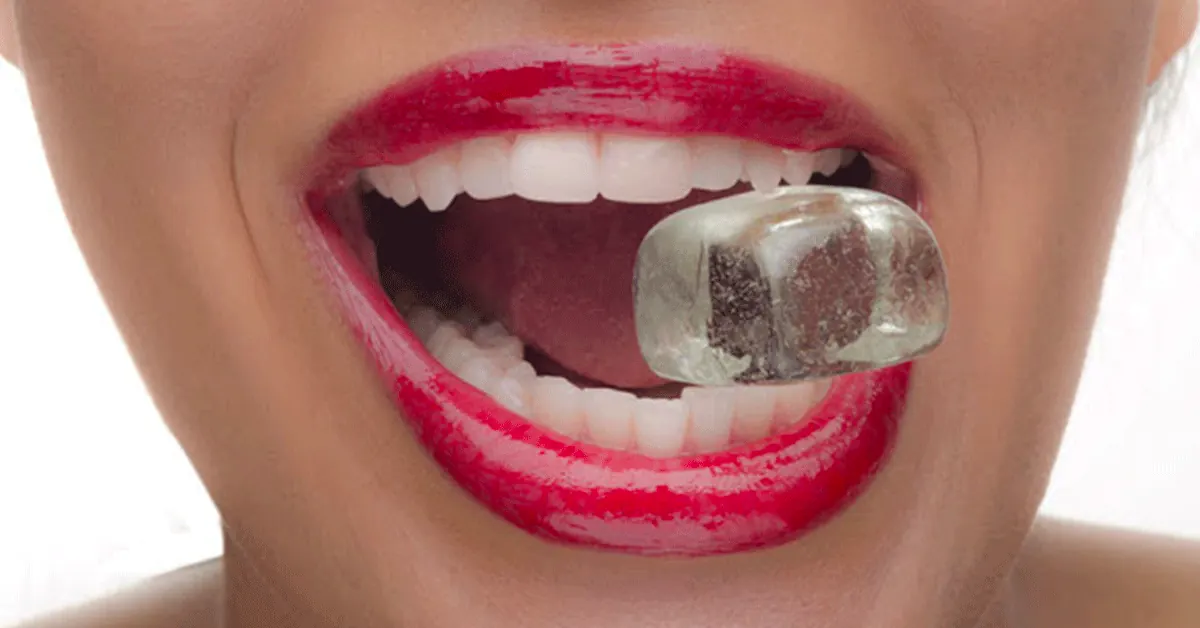
Has enjoying an ice cream, an iced drink or a very hot beverage stopped being a pleasure and become a painful experience? Do your gums sometimes bleed when you brush or floss? You probably have sensitive teeth.
Dentine hypersensitivity can have several causes:
- Tooth decay;
- Gum recession: for example as a result of gum inflammation or an aggressive brushing technique;
- Worn tooth enamel: for example as a result of acid erosion, bruxism (teeth grinding) or brushing too hard;
- Fractured teeth, for example following an injury;
- Worn fillings;
In a healthy tooth, a layer of enamel protects the crown, the part of the tooth visible above the gum. Below the gum line, a layer called cementum protects the roots. Beneath the enamel and cementum lies the dentine.
Dentine is much less dense than enamel and cementum, and it is made up of thousands of microscopic channels containing nerve fibres that connect with the inner part of the tooth.
When dentine loses its protective covering of enamel or cementum, these channels allow heat, cold and acid from food to reach the tooth’s pulp, which is rich in nerve endings, causing sharp pain.
Good dental hygiene and a diet low in sugar and rich in low-acid fruit and vegetables (such as bananas, figs, carrots and spinach) can help prevent this troublesome condition. After all, it is always worth remembering that a healthy smile starts at the table, as we explained in this article.
If you suffer from sensitive teeth, you can reduce the symptoms by seeing your dentist, who will recommend one or more types of treatment depending on the cause:
- Toothpastes for sensitive teeth. These contain hydroxyapatite, the main component of bone tissue, or potassium salts, which make the nerve fibres in the pulp less excitable and so reduce pain. Several applications are usually needed before the sensitivity eases.
- Fluoride gel application. An in-surgery technique that strengthens tooth enamel and reduces the transmission of pain by applying a “varnish” to the teeth.
- Subgingival cleaning and periodontal tissue reconstruction. If deep cleaning of the gum pockets is not enough to make the receded gums reattach to the root, the dentist will need to reconstruct the deep and superficial periodontal tissues surgically.
- Crown, inlay. These are used to correct a defect or lesion of the tooth that causes dentine hypersensitivity.
- Root canal treatment: in exceptional cases, if the pain is sharp and persistent and cannot be treated any other way, the dentist will need to carry out root canal treatment on the tooth, that is, remove the dental pulp.
Having regular check-ups and professional dental cleaning sessions at least once a year is undoubtedly the best way to look after your teeth and prevent every kind of oral problem, including dentine hypersensitivity.